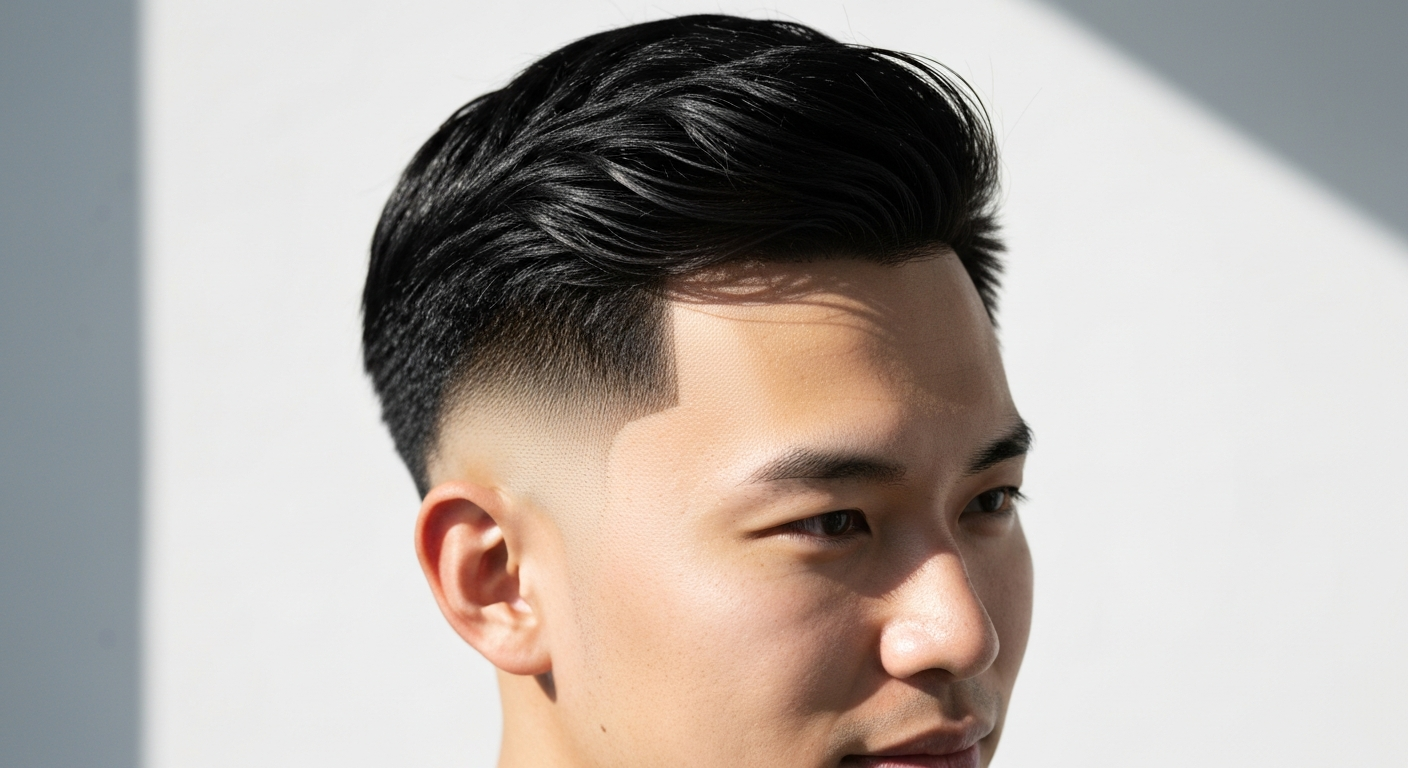
The Ultimate Guide to Fade Haircuts
The fade is arguably the most essential technique in modern barbering. It's the foundation of countless styles, from the classic pompadour to the textured crop. Mastering the fade takes time, patience, and a deep understanding of head shape and hair texture.
Understanding the Basics
A fade is a seamless transition from short hair (or skin) to longer hair. The goal is to create a smooth gradient without any visible lines or steps.
Types of Fades:
- Skin Fade (Bald Fade): The hair is cut down to the skin at the lowest point, blending up into longer hair.
- Shadow Fade: Similar to a shadow fade, but leaves a slight "shadow" of hair at the bottom instead of going completely bald.
- Taper Fade: The fade is isolated to the temples and the nape of the neck, leaving length behind the ear.
- Drop Fade: The fade drops down behind the ear, creating a curved arc instead of a straight line around the head.
Tools of the Trade
To execute a flawless fade, you need the right tools:
- Adjustable Clipper: Your workhorse for removing bulk and creating the initial guidelines.
- Trimmer: Essential for setting the bald line and detailing the edges.
- Foil Shaver: Used to get the hair down to the skin for a true bald fade.
- Guards: A complete set of guards (from 0.5 to 4 or higher) is crucial for blending.
““"A great fade isn't just a haircut; it's a work of art that frames the face and boosts confidence." — Marcus Thorne
Keep practicing, stay patient, and always be willing to learn new techniques.
The Bottom Line
Legacy systems don't just feel slow—they actively drain your energy and profits. Upgrading your tech stack is the fastest way to reclaim your time and scale your salon's professional image.